Winter Planting Guide: What Can I Plant Now?
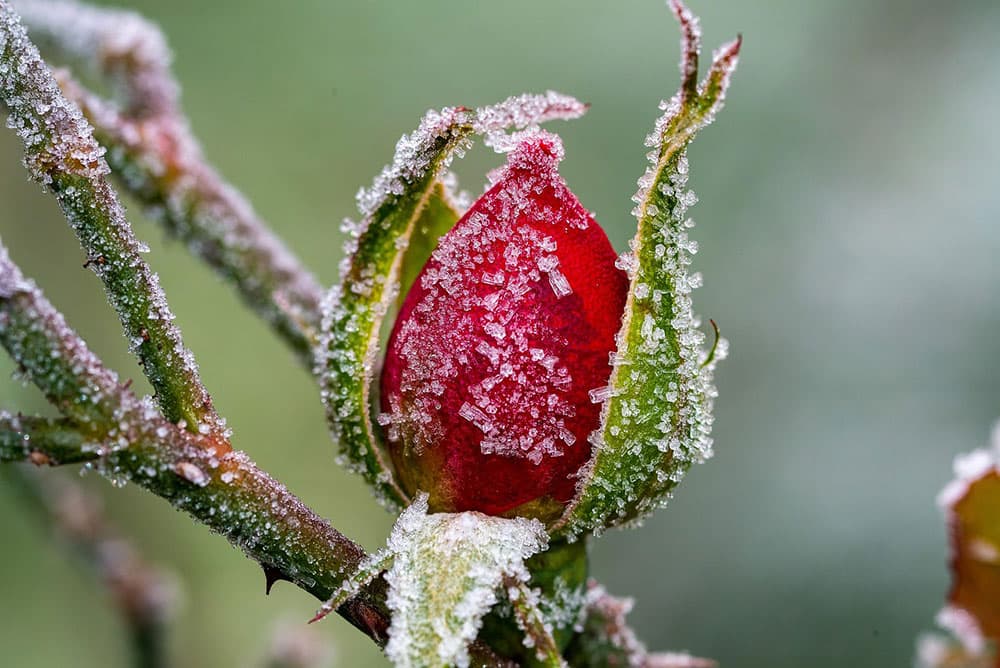
Although winter gardening may seem challenging, with the right selection of winter plants and proper plant support, your garden can continue to thrive throughout the colder months.
Whether you are looking to grow fresh vegetables, vibrantly colourful flowers, or healthy shrubs, understanding how to help your crops thrive and the best ways to care for them is essential. In this guide, we will explore the best winter bedding plants, hardy shrubs, and vegetables to grow during the winter planting season, along with tips to keep them healthy so you can maintain your perfect garden through until Spring.
Why Winter Gardening Matters
Most people may see winter as a dormant season for gardening and write it off until the Spring resurgence. However, this doesn't need to be the case. With proper planning, it is entirely possible to grow a variety of plants successfully, making winter gardening the perfect way to extend your garden's productivity and add structure throughout the year.
Winter gardening offers a variety of benefits, perfect for creating a garden you can be proud of:
- Preparing Your Spring Garden: Winter planting is the perfect way to ensure your garden is vibrant and healthy in the warmer months. Doing so can help improve soil health, reduce pests, and give you a head start on planting.
- Extend Your Growing Season: Enjoy fresh produce for longer before spring arrives.
- Reduce Pest Issues: Fewer insects can attack your plants in the colder months, helping them stay healthy and reducing the need for fungicides and pest control.
What Are The Best Vegetables To Plant In The Winter?
Certain vegetables can thrive in cooler temperatures and often survive frost. Here is a selection of our top choices:
- Root Vegetables: Root vegetables like carrots, radishes, and beets do exceptionally well in winter, especially in cold, moist soil. In fact, these vegetables can even taste sweeter after exposure to freezing temperatures.
To help your root vegetables grow successfully, plant your seeds directly in the ground and mulch around them to retain heat. - Leafy Greens: Leafy greens such as spinach, lettuce, and kale are often tolerant of the cold weather and can be harvested throughout winter. They prefer well-drained soil and partial sunlight. Use cold frames to protect them from frost.
- Garlic and Onions: Planting garlic and onions in late autumn or early winter will ensure they are ready for harvest in late spring or early summer. For the best results, ensure the soil is fertilised using growing media and well-drained to prevent rot.
What Are The Best Flowers To Plant In The Winter?
Winter flowers are the perfect way to keep your garden vibrant and extend its life throughout the colder months. Some of our favourite suggestions for flowers ready to bloom in the winter include:
- Winter Jasmine: This resilient shrub produces bright and beautiful yellow flowers. It thrives in sunny locations with well-drained soil, so make sure to consider this when planting. Once it has flowered, prune it to maintain its shape and growth.
- Hellebores (A.K.A. Christmas Roses): Hellebores bloom in late winter, with beautiful pink, purple or white flowers. They tend to thrive in shady spots with rich, moist soil, so keep this in mind when planting them. Mulching also helps to protect their roots from extreme cold.
- Pansies: Pansies are known to tolerate the cold weather, surviving through frost and even snow. They thrive in partial sunlight and well-drained soil. To encourage more blooms, deadhead spent flowers regularly using the appropriate garden tools.
What About Winter Shrubs and Trees?
Shrubs and trees can enhance your garden's structure throughout the winter and provide privacy in certain areas. Below is a selection of our favourites, perfect for bringing life to your garden:
- Holly Bushes: Holly is the perfect addition to your garden, providing bright, beautiful berries, the ideal solution for winter colour and festive charm.
- Dogwood Shrubs: Dogwood shrubs have colourful stems that add vibrancy to winter gardens.
- Evergreen Conifers: Pines, spruces, and firs from the evergreen conifer family can provide year-round greenery and continue to thrive throughout the winter.
How Can I Care For My Winter Plants?
Now that we have discussed our selection of preferred winter plants, we need to ensure they thrive as they should.
- Protect Your Plants from Frost: Even the toughest plants can suffer in the extreme cold. Use a cloche or frost protection fleece to shield your vulnerable plants from harsh weather. You can also mulch with straw, leaves, bark, or aggregates to insulate roots and ensure healthy winter growth.
- Maximise Sunlight Exposure: Short daylight hours can hinder your plant's growth. Place plants that prefer sunlight in the brightest spots to help them thrive, and trim any bushes around them that may cast shade.
- Water Your Plants: Even though winter is more likely to bring rainfall, your plants still need to be hydrated. During dry spells, ensure you water your plants regularly, preferably in the morning, to prevent overnight freezing. However, avoid overwatering, as overly damp soil can lead to root rot.
- Prune Carefully: Pruning helps to maintain your plant’s health and shape. Remove dead or damaged branches from shrubs and trees with the appropriate gardening tools to help keep your garden's appearance. Try to avoid heavy pruning of flowers in the winter, as this may reduce your plant's ability to flower in the spring.
The Ultimate Guide To Winter Planting
Winter gardening doesn't have to be a challenge. There are many ways you can incorporate winter shrubs and plants into your garden to ensure easy maintenance while still providing vibrancy and visual appeal.
By choosing the right winter plants and providing appropriate care, you can maintain a productive, healthy garden even during the coldest months.
Remember to protect your plants from frost. Ensure you water your plants carefully and prune where necessary. Providing the light and care needed will give you your ideal winter garden and ensure it is just as rewarding as it is in spring and summer.