
Wire & Barrier Netting
Wire netting excels in numerous agricultural and horticultural applications. Whether you need support for climbing plants, robust wire for fruit cages, or galvanised netting for secure boundary fencing and animal control, we have the solution.
If you're struggling to find what you need, explore our insect or anti-bird and pond netting for more options.
Garden Wire Mesh for Optimal Crop, Plant, and Animal Protection
Netting wire is a versatile and indispensable tool, whether you're working across vast fields or in an allotment. Explore our comprehensive range tailored to various needs.
Plant Protection
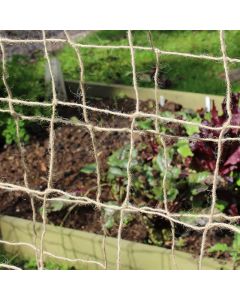
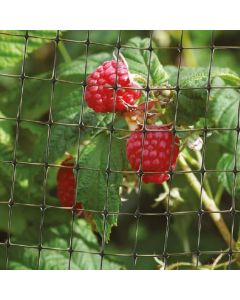
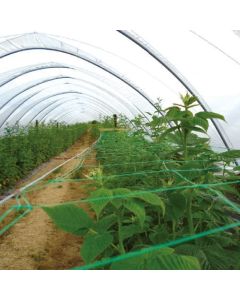
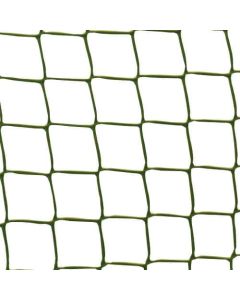
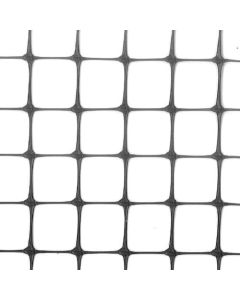
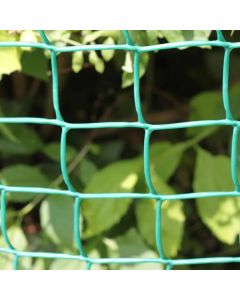
Browse biodegradable jute netting wire or polypropylene mesh for supporting and training climbers, such as peas and beans. These materials also ensure easy access when harvesting or dispersing crop protection treatments, which helps enhance yields. Opt for stronger mesh options when creating fruit cages and crop guards; they provide a protective barrier while ensuring excellent ventilation.
Netting is also a humane way to safeguard plants, refusing squirrels, rabbits, and other small intruders access to your hard-earned harvest. For additional plant protection, consider our windbreak shade nets or frost-protection fleeces.
Agricultural Wire
Our heavy-duty netting is lightweight and robust, galvanised for superior rust protection that extends its lifespan and reliability. It is used when constructing perimeter border fences or enclosures, such as hutches, runs, or pens. We even supply large stock netting to protect against larger animals like deer.
If you’re creating borders or barriers with your netting, head to our fencing accessories to collect all the essential tools and fixings for your project.
-
-
-
-
-
-
-
-
-
-
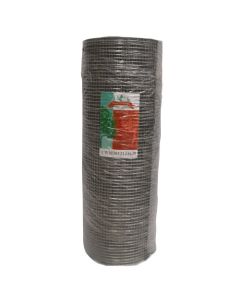 Galvanised Welded Wire Mesh - 0.9m x 30m - 25mm (Mesh Size)£224.41 £187.01 As low as £201.613 in stock>


Frequently Asked Questions
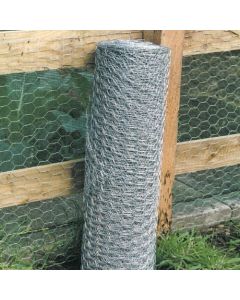
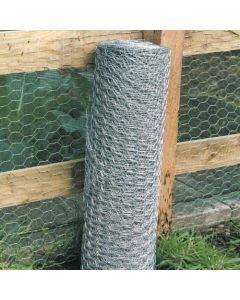
Wire netting, often called chicken wire or hexagonal wire mesh, is a versatile fencing material primarily used in gardening and agriculture. It's made from thin, rust-resistant, galvanised steel wire woven into a network of hexagonal openings, providing a visible barrier and deterrent to unwanted access or pests while still allowing airflow and light to pass through.
Given its versatility, wire netting enjoys many uses and can be employed for a variety of applications, including:
- Small animal enclosures: The most common use is to build runs, coops, and pens for chickens, rabbits, and other small livestock. It serves as an effective physical barrier, keeping animals contained and protected from predators.
- Garden protection: It effectively protects vegetables, flowers, and fruit from pests and accidental damage and can be used to create temporary or permanent perimeters around vulnerable plants.
- Support for climbing plants: Its mesh structure makes it an excellent, low-cost trellis system for supporting peas, beans, and other climbing or vining plants.
- Fencing and boundary marking: While not as strong as welded mesh or chain link, it is often used for light-duty boundary marking or temporary fencing in gardens, farms, and allotments.
Wire netting is versatile for barriers and supports, but it usually needs to be cut to size to suit your needs. Accurate cutting for the best results requires the right tools and technique. You'll need:
- Wire cutters: The best option for standard-gauge wire netting, offering precision cutting and easy handling.
Technique
- Measure and mark: Precisely measure the dimensions and clearly mark the cutting line with a marker or tape.
- Secure the netting: Prevent shifting by laying the netting flat and securing it firmly with clamps or weights. Stability is crucial for a straight, safe cut.
- Cutting: Cut one or two strands at a time along the mark, cutting between the hexagonal joints while avoiding overloading the blades.
-
Safety and finishing:
- Manage sharp edges.
- Fold the cut edge backwards or cover the raw edge with plastic edging or wood trim for safety.
- Dispose of all sharp wire remnants safely.